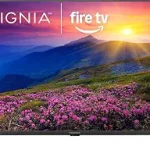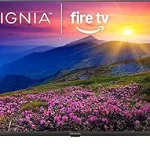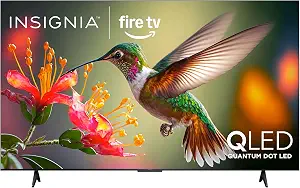
INSIGNIA 75-inch Class QF Series LED 4K UHD QLED Smart Fire TV with Alexa Voice Remote (NS75-UQFL26)
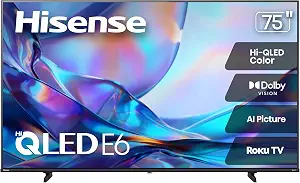
Hisense 75″ Class E6SR Series Hi-QLED 4K UHD Smart Roku TV (75E6SR, 2026 Model)
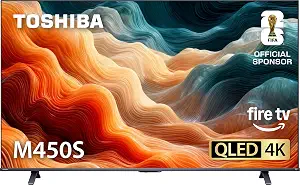
TOSHIBA 75″ Class M450 Series QLED 4K UHD Smart Fire TV
Best Size75Inch Tv Buying Guide — Black Friday Deals 2026
A 75-inch-class television can become the focal point of a living room, but the right choice depends on more than screen size. Consider which smart TV platform fits your household, what you plan to connect, and whether gaming features or AirPlay matter to your routine. This guide compares three 4K options: an Insignia QLED Fire TV, a Hisense Hi-QLED Roku TV, and a Toshiba QLED Fire TV. Their listed features differ, so use them to narrow your priorities rather than assuming that one set suits everyone. During Black Friday, compare the exact model and its current offer carefully; this guide does not assume that any particular promotion is active.
INSIGNIA 75-inch Class QF Series LED 4K UHD QLED Smart Fire TV with Alexa Voice Remote (NS75-UQFL26)
Check Price on Amazon
The INSIGNIA 75-inch Class QF Series LED 4K UHD QLED Smart Fire TV with Alexa Voice Remote (NS75-UQFL26) is the Best Budget pick in this guide. That label is an editorial fit among these selections, not a claim about its current price or a market-wide award. Its QLED display, 4K resolution, and 75-inch screen provide a clear starting point for shoppers who want a large-format television and prefer Fire TV. The included Alexa Voice Remote is part of the product name; the listing also identifies FireOS as its operating system.
For an everyday household, the platform choice may be as important as the panel terminology. If FireOS suits the way your home uses smart-TV menus, this model keeps that preference in the decision. Its listed four HDMI ports give shoppers a concrete connection detail to check against the devices they expect to use, such as a console, media player, or other HDMI equipment. Those examples are planning prompts, not a guarantee about a particular setup. The television has a 60 hertz refresh rate, so consider whether that listed specification fits the viewing and gaming priorities you have before choosing it.
The listing also specifies Dolby Vision support and built-in speakers with Dolby Atmos support. Those are useful details for shoppers comparing supported formats and the included audio description, but they do not establish how a particular program, room, or external device will perform. Check the content and equipment you actually use when deciding how much these features matter. For Black Friday, look for the complete model designation, NS75-UQFL26, and verify that the listing describes this same 75-inch QLED configuration. Compare the offer against your budget and priorities rather than treating the Best Budget label as proof of a discount or a lower price.
Key specs
| Display technology | Display Technology QLED |
| Resolution | Resolution 4K |
| Refresh rate | Refresh Rate 60 hertz |
| Screen size | Screen Size 75 inches |
| HDMI ports | Total Number of HDMI Ports 4 |
| Operating system | Operating System FireOS |
| HDR format | HDR Format Supported Dolby Vision |
| Audio | Built-in speakers with Dolby Atmos support |
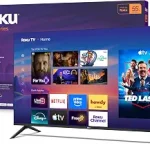
Hisense 75″ Class E6SR Series Hi-QLED 4K UHD Smart Roku TV (75E6SR, 2026 Model)
Check Price on Amazon
The Hisense 75-inch Class E6SR Series Hi-QLED 4K UHD Smart Roku TV (75E6SR, 2026 Model) is the Best Overall choice among the products here. This is an editorial recommendation based on the combination of features in the supplied listing, not a measured ranking or claim that it is best for every household. Its Hi-QLED display and 4K resolution make it a candidate for shoppers seeking a large-screen smart television, while Roku OS makes the platform choice explicit. The listed refresh rate is 60, a detail to weigh alongside your viewing habits.
The gaming feature set is a notable decision point: the listing names Game Mode Plus, VRR, and ALLM. Shoppers considering a console can compare those features with the capabilities and connection needs of their own equipment, without assuming that a feature name alone guarantees a particular experience. The television has three HDMI ports, so count the HDMI connections your setup needs and decide whether that total works for the devices you plan to attach. That practical check can be more helpful than choosing by screen size alone.
Hisense lists a 2.0-channel speaker configuration and maximum speaker output power of 30 watts. Those specifications give you a description of the built-in audio, but they are not a promise about perceived loudness or how sound will suit your room. During Black Friday, check that the exact 75E6SR model and 2026 Model designation appear on the product page before comparing offers. Then consider whether Roku OS, the listed gaming features, and the available HDMI connections align with your priorities. The Best Overall label summarizes this guide’s editorial choice; it does not mean every shopper should prefer this model or that a Black Friday deal is active.
Key specs
| Display technology | Display Technology Hi-QLED |
| Resolution | Resolution 4K |
| Refresh rate | Display Refresh Rate in Hertz 60 |
| HDMI ports | Total Number of HDMI Ports 3 |
| Operating system | Operating System Roku OS |
| Gaming features | Game Mode Plus, VRR, ALLM |
| Speaker configuration | Speaker Description 2.0 Channel |
| Speaker output | Speaker Maximum Output Power 30 watts |
TOSHIBA 75″ Class M450 Series QLED 4K UHD Smart Fire TV
Check Price on Amazon
The TOSHIBA 75-inch Class M450 Series QLED 4K UHD Smart Fire TV earns the Best for Apple AirPlay households label because its listing names Apple AirPlay. That makes it worth considering when AirPlay is an important part of your household’s device routine. The label is based on that supplied feature, not a claim about compatibility with every device or a guarantee of a particular connection experience. Its listed screen size is 74.5 inches, with 4K resolution and a 60 refresh rate.
This model is also a Fire TV, and the listing specifies Wi-Fi connectivity. Think through how those details fit your usual way of accessing television features and connecting devices. It has four HDMI ports, which gives you a specific number to compare with the connections you expect to use. The listing names ALLM, VRR, and eARC as gaming features. Shoppers can review those terms alongside their own equipment and intended setup instead of assuming that every feature will be relevant to them.
For picture and audio format considerations, Toshiba lists Dolby Vision and Dolby Atmos. Those named formats may be useful comparison points if they matter to the content or equipment you use, but the listing facts do not describe a particular viewing result. Black Friday shoppers should match the full M450 Series product name to the exact offer and verify that the listed specifications belong to the variant being considered. If AirPlay is a deciding factor, check that the feature is named on that precise listing rather than relying only on a similar product title. The Best for Apple AirPlay households label points to a specific reason to shortlist this set; it does not promise that it will be the right choice for every Apple device owner.
Key specs
| Screen size | Screen Size 74.5 inches |
| Resolution | Display Technology 4K Resolution 4K |
| Refresh rate | Display Refresh Rate in Hertz 60 |
| HDMI ports | Total Number of HDMI Ports 4 |
| Connectivity | Connectivity Technology Wi-Fi |
| AirPlay | Additional Features Apple AirPlay |
| HDR and audio formats | Dolby Vision & Dolby Atmos |
| Gaming features | ALLM (Auto Low Latency Mode), VRR (Variable Refresh Rate) and eARC |
Begin with the viewing habits you want the screen to serve
Before comparing product names, picture an ordinary evening in your home. Think about whether the television will mostly be used for streamed shows, films, live viewing, or games, and whether several people will use its menus and connections. These questions help you decide which listed features deserve attention. A large screen may be a priority, but a platform that feels familiar or the right ports for your equipment can be more consequential to daily use.
All three choices offer 4K resolution, but their stated screen details are not identical: the Insignia lists 75 inches, the Hisense title describes a 75-inch class model, and the Toshiba specification lists 74.5 inches. Keep the source wording in mind when comparing listings and room plans. Check the product page for the exact model rather than treating similar class names as proof that two offers are the same variant.
Black Friday can make comparison pages busy, so establish your must-haves before browsing. You might put smart-TV platform first, then decide whether gaming features, AirPlay, or audio-format support is essential or simply welcome. This order gives you a practical way to screen choices without assuming that a promotional label settles the decision. Write down the features that would change how you use the TV and those that would not; then compare only the listings that match your priorities.
Black Friday offer checks: identify the exact television first
An offer is only useful to your comparison if it applies to the model you intend to buy. Read the full product title and match the model identifier where one is provided: NS75-UQFL26 for the Insignia, 75E6SR for the Hisense, and M450 Series for the Toshiba. Confirm the listed display and platform details as well. Similar screen-size wording can appear across televisions with different feature sets, so do not use a broad search result alone to decide that two listings refer to the same configuration.
During Black Friday, compare the offer shown for the exact listing with your own budget and the features you value. No specific discount, price, or active promotion is established here. Review the current product page and make sure the details you care about—such as HDMI port count, named gaming features, or AirPlay—are attached to the product variant in the offer. If an offer page leaves you uncertain, pause and resolve the model question before treating it as a match.
It can also help to separate a genuinely useful feature from an attention-grabbing title. The Insignia’s Best Budget label is not evidence of a particular sale price, and the other editorial labels do not guarantee value for every shopper. Compare the actual offer information available to you, then ask whether the product still fits your priorities without relying on a supposed saving. This keeps Black Friday browsing focused on the television you want rather than on urgency or an unverified promotion.
Choose a smart platform by the routine it supports
The platform names distinguish these three options in a straightforward way. The Insignia and Toshiba are Fire TV models, while the Hisense runs Roku OS. If your household already has a preferred way of navigating smart-TV menus, that familiarity may be a useful reason to shortlist one platform. If you are choosing for a shared space, consider who will use the television and which interface will feel most convenient to them. These are household preferences, not claims that one operating system is universally easier.
The Insignia product name includes an Alexa Voice Remote, while the Toshiba listing names Apple AirPlay. Treat those as separate comparison points: the first may matter to someone who wants the named remote included in the product description, and the second is a reason to examine the Toshiba if AirPlay is part of the household’s plans. The information provided does not establish how either feature works with every device or service, so check the exact listing and your own equipment needs.
Black Friday search results can place models from different platform families beside one another. Rather than switching platforms just because a title looks appealing, decide whether you want FireOS, Roku OS, or the listed AirPlay feature to guide your choice. Then compare the relevant product details and offer. A platform decision made in advance can help you avoid being distracted by features that sound impressive but would not change your everyday routine.
Map ports and gaming features to the equipment you plan to use
Count the devices you expect to connect and compare that plan with the listed HDMI ports. Insignia specifies four, Hisense specifies three, and Toshiba specifies four. The useful number is the one that suits your intended setup, not a general ranking. Consider the equipment you already use and anything you expect to add, then decide whether the port count makes one model a more comfortable fit. Do not assume that an unlisted connection is absent; verify other requirements on the product page if they matter.
For gaming-related comparisons, the Hisense listing names Game Mode Plus, VRR, and ALLM. Toshiba lists ALLM, VRR, and eARC. The Insignia listing supplied here gives a 60 hertz refresh rate but does not provide the same gaming-feature list. That difference in available information is a reason to inspect the exact listing and compare it with your console or other equipment, not a basis for guessing how a product will perform.
When browsing Black Friday offers, keep your device plan beside the listing. A feature name matters only if it helps with something you intend to connect or do. If gaming is a priority, use the named features as questions to investigate and check what your equipment requires. If you mainly need HDMI connections for other devices, port count may be the more practical point of comparison. This approach ties the offer to real use rather than to a long specification list.
Consider format support, built-in audio, and room setup together
The listed picture and sound formats can help distinguish products, but they should be considered in context. Insignia specifies Dolby Vision support and built-in speakers with Dolby Atmos support. Toshiba lists Dolby Vision and Dolby Atmos. The available Hisense facts identify a 2.0-channel speaker configuration and 30 watts of maximum speaker output power, but do not specify those same formats. Use only the details that matter for the content and equipment you expect to use; a format name on its own does not establish the result in a particular room.
Room planning is also worth doing before a large-screen purchase. Consider where the television will sit, how people will watch from the usual seating area, and whether the planned location works with your furnishings. The supplied facts do not give the sets’ overall dimensions or installation details, so check those on the exact product page if they affect your space. Avoid assuming that the screen-size description tells you everything needed for placement.
As Black Friday approaches, combine these checks instead of making a decision from one specification. Ask whether the platform fits, the connections suit your equipment, and the listed audio or format details address a real preference. Verify any room-related requirements directly in the current listing. That final review can help you compare offers calmly, without treating a format, feature label, or seasonal promotion as a substitute for checking the television that will actually arrive.
Make your Black Friday choice
The best 75-inch-class choice here depends on which details will matter after the Black Friday browsing ends. Consider the Insignia for its Best Budget editorial label and Fire TV setup, the Hisense for its Roku OS and named gaming features, or the Toshiba if Apple AirPlay is a priority. Confirm the exact model and listing details before comparing any current offer. Then let your household’s platform preference, equipment, and viewing routine guide the final choice—not an assumed discount or a label alone.