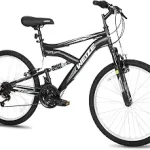
KORIMEFA 20 24 Inch Mountain Bike for Kids and Youth, 21 Speed (ASIN B0HBVV5T15)
Best Childrens Bike Buying Guide — Black Friday Deals 2026
A children’s bike should suit the rider’s current size, the way they are learning, and the places they are likely to ride. Those priorities are more useful than choosing by age alone: the details here include rider-height guidance for two models, while the youth-oriented KORIMEFA emphasizes gears and a suspension fork. During Black Friday, a headline or discount should not decide the choice by itself. Check the exact bike size and configuration in the listing, then match its fit and controls to the child. The Schwinn Elm is our Best Overall pick for its adjustable learning setup, the WEIZE is Best Budget, and the KORIMEFA is Best for Gear-Range Exploration. These are editorial labels based on the supplied features, not test results or claims about market-wide value.
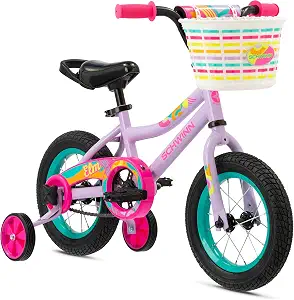
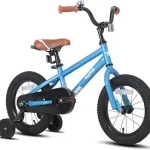
The Schwinn Elm Kids Bike is our Best Overall choice for shoppers who want a straightforward learning setup with room to adjust as a child grows. Its 12-inch wheels and stated fit for riders 36″-43″ give families concrete details to check against the child’s height. Treat that range as a starting point for comparing the listing and the rider, rather than assuming a particular age or fit without checking. Around Black Friday, confirm that the selected Elm configuration is the one described here before weighing any offer.
The rear coaster brake is operated by pedaling backward to slow or stop. That can make the stopping action part of the same pedal movement a beginner is learning, but a child still needs time and practice to understand how it works. The Elm’s tool-free training wheels add stability during practice and remove easily when the rider is ready to try riding on two wheels. Families can therefore think about the intended learning step: begin with the included support, then decide when to remove it based on the rider’s readiness, rather than treating the wheels as a permanent part of the setup.
A tool-free adjustable seatpost lets the seat height change as the child grows, and the listing describes assembly as easy, one-tool assembly. Those features make adjustment and initial setup relevant points to verify when comparing a Black Friday listing. The available details do not establish how quickly a child will learn, how often the seat will need adjustment, or what else is included, so keep those questions open. The Best Overall label reflects the combination of specified fit guidance, adjustable seat, coaster brake, and removable training wheels—not a claim that this bike suits every child. It is a useful candidate when those particular learning and adjustment features align with the rider.
Key specs
Wheel size
12 inches
Rider height
riders 36″-43″
Brake
A rear coaster brake allows intuitive stopping; kids pedal backward to slow or stop safely.
Seat adjustment
tool-free adjustable seatpost grows with your child
Training wheels
Tool-free training wheels add extra stability and remove easily when they’re ready to ride on two wheels.
Assembly
Easy, one-tool assembly
WEIZE 14 16 20 Inch Kids Bike for Boys, Ages 3-13, Hand & Coaster Brakes
WEIZE 14 16 20 Inch Kids Bike for Boys, Ages 3-13, Hand & Coaster Brakes (ASIN B0DT9JMVRP)
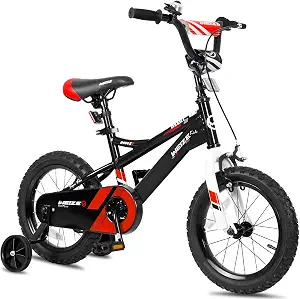
The WEIZE 14 16 20 Inch Kids Bike is our Best Budget pick, with the provided details specifically describing a 14-inch setup. That configuration has 14-inch wheels and fits children approximately 35.4–41.3 inches tall, typically ages 3–5. Use the height guidance as the more direct fit check, and verify that the listing variant actually selected is the 14-inch version before comparing it with another bike. During Black Friday, a product page may present multiple sizes under one listing, so the exact configuration matters more than a broad headline.
This model offers two ways to stop: a child can squeeze the handlebar brake lever to operate the hand brake or pedal backward to engage the coaster brake. That gives parents a specific control arrangement to consider when deciding what the rider is ready to learn. It does not establish that every child will find both controls easy, so consider whether the child can understand and practice each action. Training wheels are included for added support while beginners practice pedaling and steering. Together, these details make the bike worth considering for a family looking at a supported learning setup, while leaving the timing of any transition to the rider’s progress.
The saddle has 3 inches of height adjustment without tools. The high-carbon steel frame is described as supporting everyday recreational riding, and the 2.125-inch-wide tires are described as helping cushion small bumps on paved paths and neighborhood streets. Those are specific grounds for the Best Budget editorial label, not evidence about a sale price, durability over time, or comparative value. On Black Friday, check that the selected size and listed components match the intended purchase, and compare the offer on that exact variant. The supplied information does not settle questions such as assembly steps or performance on surfaces beyond those named. For a smaller rider within the stated fit guidance, the combination of adjustable saddle, two brake actions, and included training wheels offers several concrete points to weigh.
Key specs
Rider height
fits children approximately 35.4–41.3 inches tall, typically ages 3–5.
Wheel size
The 14-inch wheels are sized for smaller riders learning to pedal and steer.
Brakes
Children can squeeze the handlebar brake lever to operate the hand brake or pedal backward to engage the coaster brake.
Seat adjustment
The saddle offers 3 inches of height adjustment without tools
Frame
A sturdy high-carbon steel frame supports everyday recreational riding
Tires
2.125-inch-wide tires help cushion small bumps on paved paths and neighborhood streets.
Included components
Includes training wheels for added support as beginners practice pedaling and steering.
KORIMEFA 20 24 Inch Mountain Bike for Kids and Youth, 21 Speed
KORIMEFA 20 24 Inch Mountain Bike for Kids and Youth, 21 Speed (ASIN B0HBVV5T15)
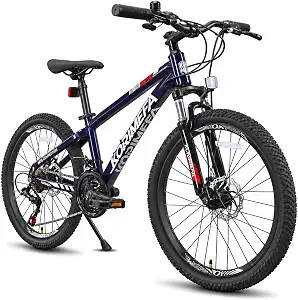
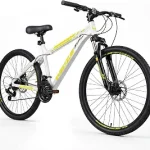
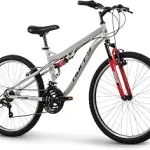
The KORIMEFA 20 24 Inch Mountain Bike for Kids and Youth is our Best for Gear-Range Exploration choice. Its defining supplied feature is a 3×7 gearing system that provides 21 speed combinations for climbing, cruising and downhill riding. That gives families a clear reason to consider it when the planned rides make gear changes relevant. The listing name includes 20 and 24 inch options, so check the selected configuration and how it fits the child rather than assuming that either size is appropriate. Black Friday comparisons should stay focused on the exact variant, not just the shared product title.
The bike has front and rear disc brakes, described as providing controlled and consistent stopping performance. It also has a front suspension fork that helps absorb bumps and vibration from uneven ground for a smoother ride. These details may matter when comparing the bike with a simpler learning setup, especially if a family’s intended rides include uneven ground. They do not establish that the bike is suitable for every route or rider, nor do they replace a practical check that the child can manage the controls. A good purchase decision connects the equipment to the child’s likely tasks: shifting, braking, and riding over the kinds of surfaces the family expects.
The frame is described as sturdy carbon steel with selected aluminum-alloy components, and the seat and handlebar heights are adjustable to accommodate growing riders. A bell, kickstand, tool kit, and user manual are listed as included components; verify the listing for the exact configuration during Black Friday shopping. The Best for Gear-Range Exploration label reflects the specified gearing and the related riding features, not a measured performance advantage. The available facts do not provide rider-height guidance, so do not infer fit from the wheel options or intended age range in the name. Confirm fit through the product listing and the child’s needs before choosing. This model’s feature set gives more to consider at the controls than a basic beginner arrangement, which may be relevant when comparing intended use and the rider’s experience.
Key specs
Drivetrain
3×7 gearing system provides 21 speed combinations for climbing, cruising and downhill riding.
Brakes
Front and rear disc brakes provide controlled and consistent stopping performance.
Suspension
The front suspension fork helps absorb bumps and vibration from uneven ground for a smoother ride.
Frame
A sturdy carbon-steel frame with selected aluminum-alloy components provides dependable support for everyday riding and outdoor adventures.
Adjustability
Adjustable seat and handlebar heights accommodate growing riders
Included components
Bell, Kickstand, Tool Kit, User Manual
Turn fit information into a practical shortlist
Start by comparing the child’s height with any rider-height guidance supplied for the exact bike configuration. The Schwinn Elm is listed for riders 36″-43″, while the WEIZE’s 14-inch setup is described for children approximately 35.4–41.3 inches tall, typically ages 3–5. These ranges are not interchangeable guarantees of fit; use them to narrow choices, then check the particular listing and the child. For the KORIMEFA, the supplied information gives adjustable seat and handlebar heights but no rider-height range. That means families should seek the configuration’s fit details rather than fill the gap with assumptions.
The product names and variants also deserve attention. The WEIZE listing name includes 14, 16 and 20-inch options, but the supplied wheel and height details refer to its 14-inch version. The KORIMEFA name includes 20 and 24-inch options, while its provided feature information does not tie a specific fit range to either. At Black Friday, verify the selected option in the page before comparing offers or deciding that two listings are equivalent. A matching title alone does not tell you that the same size or configuration is selected. Keep a shortlist based on verified fit information and the rider’s needs, not a guess based on age or a promotional headline.
Compare the learning tasks at the brakes and pedals
A brake description is most useful when translated into the action the child will need to practice. The Elm and the WEIZE both specify a coaster brake operated by pedaling backward. The WEIZE also specifies a hand brake operated by squeezing the handlebar lever. This distinction can shape a family’s conversation about which stopping action the rider understands and can practice, but the information does not predict how a particular child will respond. Consider the child’s familiarity with pedaling and hand controls, and allow room for supervised practice after setup.
The KORIMEFA instead lists front and rear disc brakes, described as providing controlled and consistent stopping performance. That is a different specified braking arrangement, so compare it in the context of the rider and intended use rather than assuming it is automatically easier or harder. Black Friday should not rush this decision: check the selected model’s brake details and make sure the product page corresponds to the configuration under consideration. Also separate a feature description from a promise about results. The records describe how each bike is equipped, but they do not establish stopping distances, maintenance needs, or a child’s skill. Choose based on the controls the rider will be expected to use and the information verified for the exact bike.
Let the expected route guide the feature checklist
Think through where the bike is expected to be used before treating any feature as essential. The WEIZE’s 2.125-inch-wide tires are described as helping cushion small bumps on paved paths and neighborhood streets, and its frame supports everyday recreational riding. The KORIMEFA’s front suspension fork is described as helping absorb bumps and vibration from uneven ground. Those descriptions point to different details worth comparing against the family’s likely rides; they do not establish that either bike is right for every surface or condition.
Gearing can also matter to the tasks a rider is learning. The KORIMEFA’s 3×7 system provides 21 speed combinations for climbing, cruising and downhill riding. A family can consider whether those gear choices relate to the rides they have in mind and whether the child is ready to learn shifting. The available facts do not say that the Elm or WEIZE offers gears, so do not make assumptions about unlisted features. During Black Friday, compare only what is confirmed for the exact model and variant. A useful route checklist might include the types of surfaces, the rider’s familiarity with bike controls, and which specified features correspond to those plans. This keeps the decision grounded in intended tasks rather than a broad “mountain” or “kids” label.
Account for adjustment and the move to independent riding
Adjustability matters because a child’s needs can change, but the supplied details differ by bike. The Elm has a tool-free adjustable seatpost described as growing with the child. The WEIZE saddle offers 3 inches of height adjustment without tools. The KORIMEFA has adjustable seat and handlebar heights to accommodate growing riders. Compare the adjustment described for the selected model with what you need to set up, and verify the configuration rather than assuming every variant shares the same details.
For a beginner, support features can also connect to a later learning step. The Elm’s training wheels are tool-free and remove easily when the rider is ready to ride on two wheels; the WEIZE includes training wheels for added support while practicing pedaling and steering. Those descriptions let a family consider how support may fit into practice, without promising when a child will be ready to remove it. The KORIMEFA’s listed features focus on gearing, brakes and suspension rather than training wheels, but the supplied facts do not establish that an unlisted feature is absent. At Black Friday, read the selected configuration carefully and make a plan around the rider’s current ability, the available adjustments, and the next skill to practice.
Use Black Friday listings as configuration checks
A Black Friday headline does not identify every detail of the bike being offered. Before comparing an offer, confirm the model, chosen size, and relevant features on the product page. This is particularly important for listings whose names group several wheel options: the supplied WEIZE fit and wheel information is for the 14-inch setup, while the KORIMEFA name presents 20 and 24 inch options. Do not assume that a displayed title, image, or offer refers to the configuration you intend to select. Compare the exact option and the information attached to it.
Then evaluate the offer on its own terms without treating a promotional label as proof of fit or value. Check that the stated brake arrangement, adjustment details, and included components correspond to the variant you are considering. For the Elm, those details include its coaster brake, removable training wheels and adjustable seatpost; for the WEIZE, they include two brake actions and included training wheels; for the KORIMEFA, they include its gearing, disc brakes and listed components. The product facts do not supply sale prices, savings, or stock information. Keep the decision anchored to the live listing and the child’s needs, and choose only after the exact configuration is clear.
Make your Black Friday choice
Choose the bike whose verified fit details and controls make sense for the child’s next riding tasks. The Elm pairs stated rider-height guidance with a coaster brake and removable training wheels; the WEIZE’s 14-inch information includes a height range, two brake actions and training wheels; the KORIMEFA emphasizes gears, disc brakes and a front suspension fork, with fit details to confirm. During Black Friday, compare the exact variant and its listed features rather than assuming a headline tells the whole story. The editorial labels are starting points, not substitutes for checking fit, setup, and the rider’s readiness.