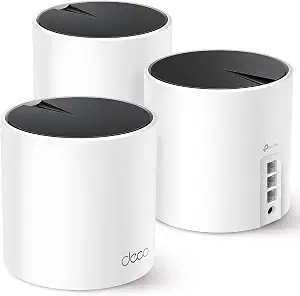
TP-Link Deco X55 AX3000 WiFi 6 Mesh System, Deco X55(3-Pack)
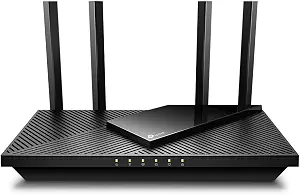
TP-Link AX1800 WiFi 6 Router (Archer AX21 V5)
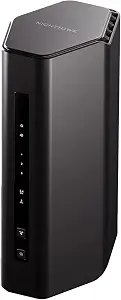
NETGEAR Nighthawk WiFi 7 Router RS140
Best Home Internet Buying Guide — Black Friday Deals 2026
Choosing home internet equipment starts with identifying what needs to change: reach across the home, a straightforward router purchase, or access to Wi-Fi 7. The three options here address different priorities, so the right comparison is not simply which model has the biggest headline number. The Deco X55 is a three-unit mesh system, while the Archer AX21 V5 and Nighthawk RS140 are routers. During Black Friday, compare the exact model and package shown in an offer with the setup you need; no seasonal price or promotion is assumed here.
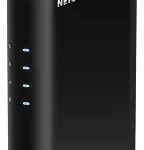
TP-Link Deco X55 AX3000 WiFi 6 Mesh System, Deco X55(3-Pack)
Check Price on Amazon
Best Overall is an editorial pick for shoppers who want a multi-unit mesh system and value the combination of stated coverage and wired backhaul support. The TP-Link Deco X55 package includes three Deco X55 units and uses Wi-Fi 6. Its coverage is listed as up to 6500 square feet, and it can connect up to 150 devices. Those are useful figures for comparing this system with the area and connected-device needs you have in mind, but they are maximum stated limits rather than a promise about results in every home. During Black Friday, confirm that the offer is for the three-pack rather than a different Deco configuration.
The mesh format makes this a different kind of purchase from a single-router listing. Think through where you would place the units and whether your home layout makes a multi-unit arrangement appealing. The supplied specification says the system supports Wired Ethernet Backhaul, which is relevant if you are considering a wired connection between units. Each Deco X55 has three Gigabit Ethernet ports, giving you a concrete port count to compare when planning wired connections. The units are dual-band; buyers who are comparing radio-band configurations should keep that detail in view rather than assuming all mesh packages have the same setup.
This pick is most relevant when you want a three-unit system, need to weigh the listed coverage against your floor plan, or want the option of wired Ethernet backhaul. It may be more configuration than a shopper seeking one standalone router wants, so compare the product type as carefully as the feature list. Black Friday listings can put different package sizes or model names side by side; verify the exact product identity before treating an offer as comparable. The Best Overall label reflects this article’s selection among the listed products, not a tested or market-wide ranking.
Key specs
| Wi-Fi generation | Wi-Fi 6 |
| Coverage | Covers up to 6500 square feet |
| Device capacity | connect up to 150 devices |
| Ethernet ports | Each Deco X55 has 3 Gigabit Ethernet ports |
| Wired backhaul | supports Wired Ethernet Backhaul |
| Included units | 3 x Deco X55 units |
| Radio bands | Dual-Band |
TP-Link AX1800 WiFi 6 Router (Archer AX21 V5)
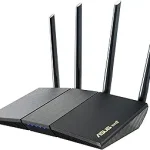
Best Budget is the editorial label for the TP-Link AX1800 WiFi 6 Router, Archer AX21 V5. It is a standalone router option rather than the three-unit mesh package in this guide, which can make it the more relevant comparison for someone who specifically wants a router. Its listed wireless standards include 802.11ac, 802.11ax, 802.11b, 802.11g, and 802.11n. The dual-band bandwidth is 1.8 Gbps total, with up to 1200 Mbps on 5 GHz and up to 574 Mbps on 2.4 GHz. These are stated maximums, not a guarantee of the speed a particular internet plan or device will deliver.
Several details help narrow whether this model fits your requirements. It has four antennas, and its device-connectivity description mentions OFDMA technology. It also supports both Open VPN Server and PPTP VPN Server, a useful point to check if those specific VPN server options matter to your setup. The listed dimensions are 10.28″L x 5.3″W x 1.61″H, which lets you consider its physical size when choosing where a router might sit. Avoid comparing those details as though they describe coverage or real-world performance; neither is supplied here.
For Black Friday, compare the exact Archer AX21 V5 listing and check that the product name and variant match before weighing an offer against the other choices. The Best Budget label is an editorial distinction within this group; it does not establish a current price, a discount, or the lowest market price. This router is a sensible shortlist candidate when your priorities include its listed Wi-Fi standards, dual-band figures, or VPN server support. If you are instead looking for a multi-unit mesh system or explicitly want Wi-Fi 7, compare those product types and standards directly rather than choosing by label alone.
Key specs
| Wi-Fi standards | 802.11ac, 802.11ax, 802.11b, 802.11g, 802.11n |
| Dual-band bandwidth | 1.8 Gbps total bandwidth (up to 1200 Mbps on 5 GHz and up to 574 Mbps on 2.4 GHz) |
| Device connectivity | using revolutionary OFDMA technology |
| Antenna count | 4 |
| VPN server support | Supports both Open VPN Server and PPTP VPN Server |
| Dimensions | 10.28″L x 5.3″W x 1.61″H |
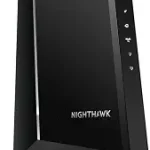
NETGEAR Nighthawk WiFi 7 Router RS140
Best for Wi-Fi 7 is the editorial label for the NETGEAR Nighthawk WiFi 7 Router RS140, the only listed product here whose supplied specification names WiFi 7. Its stated speed is up to 5 Gbps across the 2.4 GHz and 5 GHz bands. Coverage is listed as up to 2,250 square feet for up to 80 devices. Treat those figures as the product’s stated limits when checking whether it belongs on your shortlist, not as a forecast for the speed or coverage you will experience. During Black Friday, make sure a listing is specifically for the RS140 rather than another Nighthawk model.
The RS140 is a router that pairs with an existing modem or gateway via Ethernet. That connection detail matters when planning a purchase: consider what equipment you already have and whether the described connection arrangement suits your intended setup. Its ports are listed as one 2.5G port and three Gigabit ports, so you can compare that mix with the wired connections you expect to make. For setup, the product information specifies a free Nighthawk app for iOS or Android with guided setup. It also lists MU-MIMO and OFDMA for multiple devices sending and receiving data simultaneously.
This option is most compelling to compare when Wi-Fi 7 is a specific priority and the stated coverage, device capacity, modem connection, and port mix fit your checklist. It is not the same product format as the Deco three-pack, so a shopper considering broader multi-unit coverage should compare the system types as well as their figures. The Best for Wi-Fi 7 label identifies the feature basis for this article’s selection; it does not claim measured superiority. For Black Friday, verify the model name and the details of the exact offer before deciding whether the RS140 is the right match.
Key specs
| WiFi standard | WiFi 7 |
| Speed | Up to 5 Gbps across 2.4 GHz and 5 GHz bands |
| Coverage | up to 2,250 sq. ft. of coverage for up to 80 devices. |
| Ports | 1× 2.5G + 3× Gigabit Ports |
| Modem connection | Pairs with your existing modem or gateway via ethernet. |
| Setup | Download the free Nighthawk app on iOS or Android for guided setup. |
| Multi-device connectivity | MU-MIMO and OFDMA let multiple devices send and receive data simultaneously. |
Begin with the shape of the home, not a headline number
Coverage figures are useful for screening options, but the listed limits do not tell you exactly what any device will deliver in your home. Start by thinking about the areas where you want a connection and whether your priority is a single router or a multi-unit mesh system. The Deco X55 is explicitly a three-unit mesh package with coverage listed up to 6500 square feet. The RS140 is a router with coverage listed up to 2,250 square feet. Those figures describe different products and should be read in context, not treated as a direct guarantee that one will work better in every building.
Your layout and intended placement are practical parts of the decision. A mesh package gives you several units to consider placing around the home, while the two other products in this guide are routers. If you are considering the Deco system, note its wired Ethernet backhaul support and decide whether that capability is relevant to your planned arrangement. If you are comparing either router, first establish that a router is the equipment you are seeking. Do not assume that a product’s maximum coverage figure alone answers questions about obstacles, location, or your particular connection.
Black Friday can make listings and package choices harder to compare at a glance, so keep product type beside coverage on your shortlist. Write down the model name, whether it is a router or mesh system, and the exact coverage wording. Then compare those details against the areas you want to serve, without treating a stated maximum as a promise. This approach keeps the decision tied to your home and avoids letting one prominent number stand in for a full fit check.
Match the wireless standard to the reason you are upgrading
The wireless standard is one way to separate these options. The Deco X55 uses Wi-Fi 6, and the Archer AX21 V5 lists 802.11ax alongside 802.11ac, 802.11b, 802.11g, and 802.11n. The RS140 is identified as WiFi 7. If a particular standard is the reason you are shopping, make that your first filter, then check the rest of the product details. A standard name by itself does not describe the speed your internet service supplies or the experience of every connected device.
The Archer’s listed dual-band bandwidth is 1.8 Gbps total, with up to 1200 Mbps on 5 GHz and up to 574 Mbps on 2.4 GHz. The RS140 lists up to 5 Gbps across its 2.4 GHz and 5 GHz bands. Keep the wording and qualifications attached to those figures when comparing them: these are product specifications, not a promise about a household’s actual internet speed. The Deco facts supplied here identify Wi-Fi 6 and dual-band operation, rather than a comparable total bandwidth figure, so avoid filling that gap with assumptions.
A Black Friday comparison is more useful when you identify the specification that matters instead of choosing a larger-looking number. If you are focused on Wi-Fi 7, the RS140 is the one in this group with that named standard. If you are comparing the Archer, consider its specific band figures and listed standards. If mesh is your priority, weigh the Deco’s format and its other stated features. Check the exact model and wording on the offer, and do not assume that similarly named products share the same specifications.
Think through connected devices and wired needs
Device capacity and connection features can help you decide which product deserves a closer look. The Deco X55 is listed for up to 150 devices, while the RS140 is listed for up to 80 devices. Those are maximum stated capacities, not estimates of how many devices your household should connect or a guarantee about performance at that number. The Archer’s supplied information mentions OFDMA technology for device connectivity but does not give a device-capacity figure. Compare like with like where figures are available, and keep any missing comparison separate from what the source actually specifies.
Also consider whether wired connections are part of your plans. Each Deco X55 has three Gigabit Ethernet ports, and the system supports wired Ethernet backhaul. The RS140 lists one 2.5G port and three Gigabit ports, while the supplied Archer details do not specify an Ethernet-port count. That is a reason to check the complete listing if a port count is essential, not a reason to assume a feature is absent. The RS140’s stated modem arrangement is to pair with an existing modem or gateway via Ethernet, so include that connection in your equipment checklist.
For Black Friday, translate your needs into a short list before opening several offers: device capacity if stated, port details, and whether wired backhaul or a modem connection matters. This helps prevent a capacity maximum from being mistaken for a speed rating, or a port specification from being mistaken for coverage. If you already know which wired devices or equipment you intend to connect, compare those needs with the precise port information supplied for each model. Then confirm the exact variant shown in any offer.
Compare the package and setup you will actually use
A purchase decision is partly about what kind of equipment arrives. The Deco X55 listing describes a three-pack of Deco X55 units, while the Archer AX21 V5 and Nighthawk RS140 are routers. Keep that distinction visible when comparing offers: a mesh package and a single router are not interchangeable descriptions. If you want multiple units, confirm that the listing names the three-pack. If you are looking for a router, make sure the product is the intended model rather than another item with a similar family name.
Setup details can also influence what you need to plan. For the RS140, the supplied information says to download the free Nighthawk app on iOS or Android for guided setup, and says the router pairs with an existing modem or gateway via Ethernet. The Deco’s listed wired Ethernet backhaul support may be relevant if you are planning wired links within its system. The details provided for the Archer do not describe a setup process, so do not infer one from the other products. Consider what your current equipment and preferred arrangement require, then look for facts specific to the model under consideration.
When Black Friday offers appear, read the product identity and package details before judging whether the purchase fits. A prominent offer label does not tell you whether the item is the three-pack, which model revision is listed, or whether the connection arrangement suits your setup. Confirm the exact name and the facts that matter to you. This simple check is especially useful when several products use related model-family names or when a shopping page presents multiple configurations together.
Use Black Friday to verify value, not to set the requirements
A seasonal offer is only useful if the listed equipment matches the job. Decide first whether you want mesh, a router with Wi-Fi 6 and the Archer’s stated band figures, or a router specifically identified as WiFi 7. Then compare the exact product and package in the offer with that requirement. This guide does not establish active promotions or prices, so treat any displayed deal as something to verify rather than a reason to assume a particular saving or availability.
Check whether the model name matches, whether the package description is clear, and whether the feature that led you to consider it is actually specified for that product. For example, the Deco’s three-unit package and wired Ethernet backhaul support are different decision points from the RS140’s app-guided setup or the Archer’s listed VPN server support. Compare the attributes relevant to your home rather than counting every feature as equally important. If a listing does not answer a question you consider essential, look for confirmation before relying on it.
Black Friday is a sensible moment to revisit a shortlist, but it should not replace a fit check. Keep the three candidates’ different roles in view and compare any offer against the same model and variant, not an assumed substitute. A deal that appears attractive may still be the wrong equipment type for your needs. Using your requirements as the filter makes it easier to evaluate an exact offer calmly, without relying on unprovided price history, savings claims, or seller terms.
Make your Black Friday choice
For a three-unit mesh system with stated wired backhaul support, compare the Deco X55; for a router with listed dual-band figures and VPN server support, consider the Archer AX21 V5; and for a router identified as WiFi 7, review the RS140. Match those distinctions to your layout, equipment, and priorities before choosing. During Black Friday, verify the exact model and package in any offer rather than assuming every listing is equivalent. The best fit is the option whose documented details answer the needs you identified.