TEAMGROUP T-Force Vulcan Z 2TB SLC Cache 3D NAND TLC 2.5 Inch SATA III Internal Solid State Drive SSD (R/W Speed up to 550/500 MB/s) T253TZ002T0C101 (ASIN B09WMSVHD4)
Best 2.5 Ssd Buying Guide — Black Friday Deals 2026
Choosing a 2.5-inch SSD is less about chasing a seasonal headline and more about matching a drive to the computer, the connection and the job you want it to do. These options all offer 2 TB of capacity, but their listed interfaces, speed details and compatibility information differ. Start by checking what your system accepts, then decide which published details matter for your intended use. Black Friday can be a useful moment to compare listings, provided you compare the exact model and variant rather than assuming every banner represents the same item. The guide below separates those practical choices so you can narrow the shortlist before considering an offer.
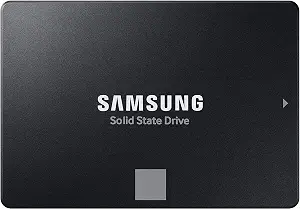
Samsung SSD 870 EVO SATA III 2.5” 2TB (ASIN B08QB93S6R)
Best Overall is an editorial designation for this shortlist, not a claim of measured superiority. The Samsung SSD 870 EVO is a sensible place to begin if you want a 2 TB 2.5-inch drive and value having both sequential read and write figures listed. Its Serial ATA interface gives you a clear connection detail to compare with your computer’s documentation, while its form factor helps you check the available drive space. Those checks matter before you consider whether a Black Friday listing is appealing.
Samsung specifies up to 560 MB/s sequential read speed and up to 530 MB/s sequential write speed. Keep the “up to” qualification in view: these are stated specifications, not a promise about every task or system. They can help you compare listed product details, but they do not tell you how a particular computer, application or workload will behave. If you are planning to use the drive for a mix of files, applications or other everyday storage, first confirm that your system accepts the drive’s interface and form factor. The listed compatible devices are Laptop, Mac and PC; that broad wording is a starting point, not a substitute for checking your particular model.
During Black Friday shopping, match the listing to the exact 870 EVO model and capacity in this guide. Read the product details rather than relying on a banner, and make sure the selected variant is the one you intended before proceeding. If several options appear together, use the interface, form factor and stated speed figures to keep the comparison focused. A lower displayed offer would not answer the fit question for you, and no seasonal promotion can establish compatibility with an unknown device.
This option may suit a shopper who wants a straightforward spec sheet to weigh against a planned storage role. Before choosing it, identify where the drive will go, confirm the connection your system supports and decide whether both read and write specifications are useful to your comparison. Then review the exact Black Friday item shown at checkout. The Best Overall label reflects its place among these featured choices; it does not mean it is automatically right for every computer or every storage plan.
Key specs
Capacity
2 TB
Interface
Serial ATA
Form factor
2.5 inches
Sequential read speed
Up to 560 MB/s Sequential Read Speed
Sequential write speed
Up to 530 MB/s Sequential Write Speed
Compatible devices
Laptop, Mac, PC
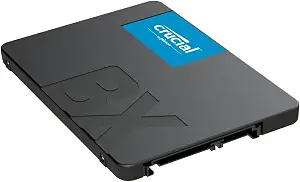
Crucial BX500 2TB 3D NAND SATA 2.5-Inch Internal SSD
Crucial BX500 2TB 3D NAND SATA 2.5-Inch Internal SSD (ASIN B07YD5F561)
Best for 2.5-inch, 7mm SATA fit checks is the label assigned to the Crucial BX500 because its compatibility description specifically addresses desktops and laptops that accept 2.5-inch 7mm SATA drives. That makes the stated fit detail particularly useful when you are checking a device specification or replacing a drive with a known physical requirement. It still does not confirm compatibility with every desktop or laptop: check your own model’s documentation before making a purchase, especially if you are unsure what drive size or connection it accepts.
The BX500 is listed with 2 TB capacity, a SATA 6 GB/s interface and a 2.5-inch form factor. Its read speed is specified as 540 megabytes per second. That is a read figure, so do not treat it as a listed write specification. Keeping the distinction clear helps you compare like with like rather than filling in details that are not provided. The listing also gives dimensions as 3.95″L x 2.75″W x 0.27″Th. If dimensions matter for your installation, compare the exact source formatting with the space and requirements described for your device; do not assume that a familiar form factor alone settles every fit question.
A Black Friday listing can make it tempting to decide quickly, but the fit information is the reason to slow down here. Confirm that the item is the BX500 variant you intended, check its capacity and interface, and verify that your computer accepts the described drive type. The listed compatibility wording is helpful for desktops and laptops that accept 2.5-inch 7mm SATA drives, but your machine’s exact requirements remain the deciding check. Keep the read-speed qualification in context if you are comparing it with products that provide both read and write figures.
This choice is especially relevant when physical fit is your first uncertainty rather than a desire to compare a broad set of performance claims. Its Best for label reflects the specificity of the compatibility detail, not a universal endorsement. During Black Friday, use the exact listing to confirm the selected product and revisit your device requirements before checkout. If those requirements remain unclear, resolving them is more useful than trying to infer a match from a seasonal offer.
Key specs
Capacity
2 TB
Interface
SATA 6 GB/s
Form factor
2.5-inch
Read speed
540 megabytes_per_second
Compatibility
This drive is compatible with desktops and laptops that accept 2.5″ 7mm SATA drives
Dimensions
3.95″L x 2.75″W x 0.27″Th
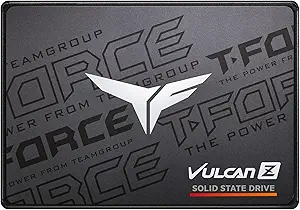
TEAMGROUP T-Force Vulcan Z 2TB SLC Cache 3D NAND TLC 2.5 Inch SATA III Internal Solid State Drive SSD (R/W Speed up to 550/500 MB/s) T253TZ002T0C101
TEAMGROUP T-Force Vulcan Z 2TB SLC Cache 3D NAND TLC 2.5 Inch SATA III Internal Solid State Drive SSD (R/W Speed up to 550/500 MB/s) T253TZ002T0C101 (ASIN B09WMSVHD4)
Best Budget is the editorial label assigned to the TEAMGROUP T-Force Vulcan Z in this group. It is not a verified price judgment, so use it as a shortlist cue rather than evidence that a Black Friday offer is currently available or represents the lowest cost. The supplied specifications identify a 2 TB capacity, 2.5-inch form factor and SATA III interface. Those details give you a useful starting point: confirm that your computer supports the connection and has the right space before comparing the listing with other drives.
TEAMGROUP lists 3D NAND TLC memory and read/write speeds up to 550/500 MB/s. The figures are qualified as “up to,” so treat them as product specifications rather than a guarantee about results in your own setup. They can help distinguish what the listing states, but actual use depends on more than a number on a product page. If you are deciding between options for a particular set of files or tasks, first make sure each candidate meets your system’s requirements. The drive is also described as shock-resistant, vibration-resistant and having reduced noise interference. These are listed attributes; they do not remove the need to handle storage carefully or keep important files backed up.
For a Black Friday comparison, find the exact T-Force Vulcan Z listing and verify its capacity and variant. Don’t assume a deal tile covers every capacity or model in a product family. Compare the final item details with the stated SATA III connection and 2.5-inch form factor, then decide whether the memory type and listed resistance characteristics are relevant to your priorities. If the selected item differs from the one you researched, pause and check it again rather than carrying over assumptions from another listing.
This drive is worth considering when the supplied feature set aligns with your needs and the system fit is confirmed. The Best Budget label helps identify its intended editorial role, but the actual value of an offer depends on the exact item and the terms presented to you. Use Black Friday as a prompt to compare carefully, not as a reason to skip those checks. If the connection is uncertain, resolve that question before weighing the price or the listed speed figures.
Key specs
Capacity
2TB
Memory
3D NAND TLC
Form factor
2.5 Inch
Interface
SATA III
Read/write speed
R/W Speed up to 550/500 MB/s
Resistance
Shock-resistant, vibration-resistant, and reduced noise interference
Turn the device question into a clear first filter
Before opening a row of Black Friday listings, find the documentation for the computer or the drive bay you intend to use. Check whether it accepts a 2.5-inch drive and which SATA connection it requires. A product can have the capacity you want and still be the wrong choice if its physical format or interface does not match the system. If you are replacing an existing drive, its label or the computer’s service information may help you identify what to verify, but confirm the requirement rather than assuming the replacement must be identical.
The three featured products identify a 2.5-inch form factor and SATA-family interfaces: the Samsung lists Serial ATA, the TEAMGROUP lists SATA III, and the Crucial lists SATA 6 GB/s. These descriptions are useful comparison points, not proof of compatibility with a particular device. Check how your computer describes its supported connection and whether it has a suitable place for the drive. The Crucial’s compatibility wording specifically mentions desktops and laptops that accept 2.5-inch 7mm SATA drives; that detail can focus your check, but it does not replace checking the actual computer.
Make fit a pass-or-pause decision before considering a Black Friday price. If you cannot confirm the connection or space, keep researching rather than choosing based on capacity alone. Once those requirements are settled, you can compare the product details without mixing up a compatible candidate and a merely attractive listing.
Give the capacity a job before choosing a model
Each featured option is listed with 2 TB, so capacity by itself does not separate this shortlist. Instead, sketch out what you intend to store: perhaps a collection of personal files, a working set of projects, or a combination of different material. Those examples are planning prompts, not claims about how much any one drive will hold in practice. The useful question is whether this capacity suits your own expected use and whether the computer can support the drive.
Think about the way you organize files as well as their total amount. Decide whether the drive is meant to be a primary destination, a place for selected folders, or one part of a wider storage arrangement. Keep a separate backup plan for important information; buying a drive does not by itself create a backup. When comparing Black Friday listings, verify that the selected variant is the 2 TB option you intended. Product pages can group different capacities or models together, so check the item details instead of relying on an image or headline.
Because capacity is shared across these choices, let connection, fit and the features you value break the tie. The Samsung and TEAMGROUP provide both read and write speed figures, while the Crucial listing supplies a read-speed figure. That distinction may help you focus the next comparison, but it should not replace the basic question of what you plan to store and what your computer accepts.
Keep read and write specifications in their lanes
Speed figures can be useful when they answer a question you actually have. The Samsung lists sequential read speed up to 560 MB/s and sequential write speed up to 530 MB/s. TEAMGROUP lists read/write speeds up to 550/500 MB/s. Crucial specifies a read speed of 540 megabytes per second. Keep each description with its qualification: the “up to” wording applies to the Samsung and TEAMGROUP figures, and the Crucial detail is a read figure rather than a listed read/write pair.
These numbers are product specifications, not promises about every task, computer or setup. They do not tell you how a particular workload will feel, and they should not be treated as a substitute for checking compatibility. If you compare the listings, compare read with read and write with write where both are supplied. Do not fill in a missing figure or treat differently worded specifications as directly interchangeable.
Black Friday pages can emphasize a prominent speed number, so take a moment to read its label and qualification. Then decide whether that detail changes your choice. If your main concern is a confirmed physical match, a speed figure may be secondary; if you are comparing specifications, use only what each product actually lists. That approach keeps a seasonal promotion from turning a narrowly stated figure into a broader performance promise.
Choose which listed details matter for your routine
Once the connection and capacity are settled, decide which product details have a practical role in your decision. The Samsung lists Laptop, Mac and PC as compatible devices. The Crucial describes compatibility with desktops and laptops that accept 2.5-inch 7mm SATA drives. Treat both descriptions as useful starting information, then confirm your particular computer’s requirements. Broad device categories do not establish that every model in that category will accept a drive.
The TEAMGROUP lists 3D NAND TLC memory and describes the drive as shock-resistant, vibration-resistant and having reduced noise interference. These are specific listed attributes to consider if they matter to your priorities. They are not reasons to assume how the drive will behave in every circumstance, and they do not remove the need to protect important files. The Crucial listing includes exact dimensions, which can be relevant when you are checking a device’s available space. Use the specifications as questions to take back to your system documentation, not as a reason to skip it.
For Black Friday, make a short personal checklist: required interface, physical fit, intended capacity and any listed feature that genuinely matters to you. That keeps the comparison anchored to your routine instead of whichever product page has the most prominent wording. A feature is useful when it helps you make a decision; it need not be decisive for every shopper.
Review the exact item before completing a seasonal purchase
After deciding which model fits your requirements, inspect the item selected on the listing page. Confirm the model name and capacity, and check that the selected variant still matches the interface and form factor you researched. This is especially important when a page presents several options together. A Black Friday banner does not establish which variant is selected, nor does it confirm that the details you read apply to the item in your cart.
Compare the final listing details with your notes rather than relying on memory. For the Samsung, that means checking for the 870 EVO and its stated 2 TB capacity. For the TEAMGROUP, confirm the T-Force Vulcan Z variant and its listed connection. For the Crucial, revisit the 2.5-inch 7mm SATA fit requirement and the exact item details. If anything does not line up, pause and investigate before proceeding. No assumed discount or headline is a substitute for knowing what you are selecting.
Finally, consider whether the offer is useful to you after the product is settled. Compare the exact item and the information presented at checkout, and make your decision without assuming a promotion, saving or availability that is not shown. This simple sequence—system match, intended use, exact variant, then offer—makes seasonal shopping more deliberate and helps prevent a deal headline from driving the choice.
Make your Black Friday choice
A good 2.5-inch SSD choice begins with a confirmed connection and fit, then moves to capacity and the product details that support your intended use. The Samsung, TEAMGROUP and Crucial options all list 2 TB, but their compatibility wording and speed specifications give you different points to check. During Black Friday, compare the exact model and selected variant, and treat qualified figures as specifications rather than promises. The editorial labels can help you navigate this shortlist; your computer’s requirements and your storage plans should make the final decision.