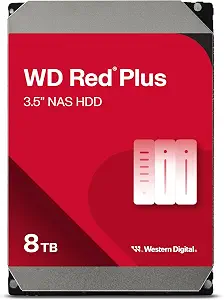
Western Digital 8TB WD Red Plus NAS Internal Hard Drive HDD (ASIN B0CMQ6SK7W)
Best Budget
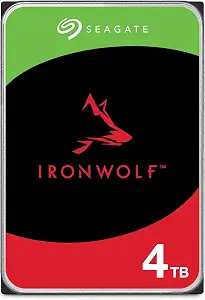
Seagate IronWolf 4TB NAS Internal Hard Drive CMR 3.5 Inch SATA 6Gb/s 5400 RPM 64MB Cache for RAID Network Attached Storage Rescue Services (ST4000VNZ06/006)
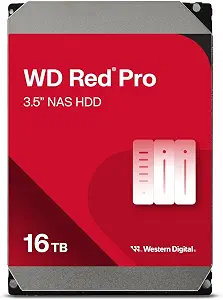
Western Digital 16TB WD Red Pro NAS Internal Hard Drive HDD – 7200 RPM, SATA 6 Gb/s, CMR, 512 MB Cache, 3.5″ – WD161KFGX (ASIN B08K3VVKSW)
Best Nas Hard Drive Buying Guide — Black Friday Deals 2026
Choosing a NAS hard drive is a planning decision as much as a capacity decision: consider what you intend to store, how the drive fits your NAS, and which listed specifications matter for your setup. This guide covers three CMR, 3.5-inch options, from a 4TB Seagate IronWolf to Western Digital Red Plus and Red Pro models. Their capacities, speeds, cache figures, and workload details differ, so the right fit depends on your priorities rather than a headline alone. Black Friday can be a useful time to compare offers, but the product name and exact variant matter. Use the details below to narrow your shortlist, then verify the listing before you buy.
Western Digital 8TB WD Red Plus NAS Internal Hard Drive HDD
Western Digital 8TB WD Red Plus NAS Internal Hard Drive HDD (ASIN B0CMQ6SK7W)
Best Overall is an editorial pick among the drives in this guide, not a claim of measured superiority. The 8TB WD Red Plus may suit a shopper who wants a middle ground between the listed 4TB and 16TB capacities. Its 3.5-inch form factor and Serial ATA-600 interface are useful details to check against the NAS model and configuration you plan to use. The drive uses CMR recording, a specification worth considering when comparing NAS-focused options. Black Friday shoppers can place those concrete details beside the offer for this exact model instead of relying on a broad product-family name.
For a home NAS holding a mix of personal files, media, and backups, 8TB gives a defined capacity to plan around. The amount of usable space in a NAS depends on the wider setup, so avoid treating the drive’s capacity as a guarantee of what will be available for files. Think through the folders and services you expect to keep, and leave room in your plan for the way your NAS is configured. If your needs point toward a smaller or larger drive, the other choices here provide different capacities to compare.
The listed rotational speed is 5640 rpm, and the cache is 256 MB. These are separate specifications, not a promise about how a particular NAS workload will feel. The stated workload rate supports up to 180 TB/yr; consider that figure in relation to the activity you expect, rather than assuming it describes every user’s day-to-day use. WD lists NASware firmware for compatibility. That detail makes it especially sensible to confirm the specific NAS compatibility information for your intended system before ordering, rather than treating a general label as a guarantee for every setup.
During Black Friday, compare the exact WD Red Plus listing and variant with your shortlist, then check whether the seller’s offer applies to the capacity you intend to buy. Do not let a promotional headline replace the fit check: confirm the product name, capacity, interface, and your NAS requirements. This pick makes sense to consider when the 8TB capacity, CMR recording, and stated workload information align with your plan. If you are weighing it against a different capacity, decide first whether that capacity meets your storage needs; a seasonal offer is useful only when the drive is the right match.
Key specs
Storage capacity
8000 GB
Interface
Serial ATA-600
Rotational speed
5640 rpm
Recording technology
CMR
Cache
256 MB Cache
Form factor
3.5 inches
Workload rate
Supports up to 180 TB/yr workload rate
Firmware
NASware firmware for compatibility
Seagate IronWolf 4TB NAS Internal Hard Drive CMR 3.5 Inch SATA 6Gb/s 5400 RPM 64MB Cache for RAID Network Attached Storage Rescue Services (ST4000VNZ06/006)
Seagate IronWolf 4TB NAS Internal Hard Drive CMR 3.5 Inch SATA 6Gb/s 5400 RPM 64MB Cache for RAID Network Attached Storage Rescue Services (ST4000VNZ06/006) (ASIN B09NHV3CK9)
Best Budget is the editorial label for the Seagate IronWolf 4TB in this group; it does not imply a tested price advantage or a market-wide award. The 4TB capacity offers a clear starting point for a smaller storage plan or for someone who would rather avoid choosing a larger drive than their needs call for. Its stated NAS compatibility is up to 8-bay, multi-user NAS environments, which gives shoppers a useful detail to check against their intended enclosure and use. Black Friday listings can change, so compare the exact ST4000VNZ06/006 variant rather than assuming every IronWolf offer refers to this drive.
The specification set includes CMR recording, a 3.5 Inch form factor, and a SATA 6Gb/s interface. Those details give you practical questions for checking the drive against your NAS documentation and other components. The listed rotational speed is 5400 RPM, with 64MB Cache. Treat these as product specifications to compare, not as a standalone prediction of performance in your own setup. If your NAS will be shared, the stated multi-user compatibility may be relevant, but the best next step is still to confirm that your particular NAS and configuration support the selected drive.
A 4TB drive may be a sensible fit when your intended contents are well defined: for example, a set of working files, a collection you want accessible on the network, or a planned backup destination. These are planning examples, not a promise that any specific amount of space will remain available after configuration. Decide what you need to store and how you intend the NAS to be used before you settle on capacity. If that plan points beyond 4TB, compare the 8TB WD Red Plus or 16TB WD Red Pro rather than buying based only on an attractive Black Friday headline.
The listed features make this model a straightforward option to evaluate if you want a 4TB NAS drive with CMR and stated compatibility for up to 8-bay, multi-user NAS environments. They do not establish compatibility with every NAS, so check the exact system requirements. For Black Friday, verify the model identifier and capacity in the offer, then compare the full product details with your plan. A lower-cost choice is useful only if it fits the intended configuration and storage need. Keep the decision focused on those checks instead of inferring a discount, performance result, or support policy from the product name.
Key specs
Capacity
4TB
Recording type
CMR
Form factor
3.5 Inch
Interface
SATA 6Gb/s
Rotational speed
5400 RPM
Cache
64MB Cache
NAS compatibility
up to 8-bay, multi-user NAS environments
Western Digital 16TB WD Red Pro NAS Internal Hard Drive HDD – 7200 RPM, SATA 6 Gb/s, CMR, 512 MB Cache, 3.5″ – WD161KFGX
Western Digital 16TB WD Red Pro NAS Internal Hard Drive HDD – 7200 RPM, SATA 6 Gb/s, CMR, 512 MB Cache, 3.5″ – WD161KFGX (ASIN B08K3VVKSW)
Best for Large-Capacity Planning is the editorial label for the 16TB WD Red Pro. Its capacity is the largest among the three featured drives, making it the option to examine when your storage plan calls for a larger single-drive capacity. That distinction is a useful starting point, not proof that it is the best choice for every NAS or household. Confirm that your intended NAS supports the specific drive and that the capacity fits the way you plan to configure storage. Black Friday comparisons should stay tied to WD161KFGX, so an offer for another Red Pro capacity is not mistaken for this exact model.
This drive has a 3.5 inches form factor, a Serial ATA-600 interface, and CMR recording. Its rotational speed is 7200 rpm, and the cache is 512 MB. Keep each item in its proper role when reviewing the listing: the capacity helps frame the storage plan, while interface, form factor, and recording technology are among the details to check against the NAS. The listed workload figure is 550TB/yr. Consider that stated figure in the context of your anticipated use, without reading it as a guarantee of a particular result or a substitute for checking the system requirements.
A larger-capacity drive can simplify the planning conversation if you expect to keep substantial files together, but the right choice still depends on how you intend the NAS to work. List the material you expect to store, consider how the NAS will be configured, and decide whether this capacity is warranted for that plan. If your needs are more modest, the 8TB WD Red Plus or 4TB Seagate IronWolf may be more appropriate candidates to compare. This is a capacity-based distinction, not a claim about measured performance or value.
For Black Friday, check that the product page identifies the 16TB WD Red Pro and WD161KFGX before comparing the offer. Then review the capacity, interface, CMR recording, and other listed specifications against your NAS documentation. The Best for Large-Capacity Planning label simply explains why this model has a place in this guide: its 16TB capacity. It should not replace compatibility checks or a realistic storage estimate. If the offer is for a different capacity or model, assess that item separately rather than assuming the same details apply.
Key specs
Storage capacity
16 TB
Rotational speed
7200 rpm
Hard disk interface
Serial ATA-600
Recording technology
CMR
Cache
512 MB
Form factor
3.5 inches
Rated workload
Rated for 550TB/yr workload rate(2)
Build the drive choice around the NAS you have in mind
Before comparing capacities, identify the NAS model and configuration you plan to use. Check its documentation for supported drive form factors and interfaces, then compare those requirements with the product details. Each drive here is listed as a 3.5-inch option, and the WD drives specify Serial ATA-600 while the Seagate lists SATA 6Gb/s. The wording differs, so verify the interface details against your system rather than assuming a product-family name is enough. NAS compatibility should be checked for the exact model and intended configuration.
Next, decide how the NAS will be used. A personal file collection, shared household folders, and a backup destination can lead to different capacity plans and usage patterns. The Seagate listing specifically describes compatibility up to 8-bay, multi-user NAS environments; that is useful context, but it does not establish support for every NAS. WD lists NASware firmware for compatibility on the 8TB Red Plus. Use those statements as prompts to check the full compatibility information for your own system.
Black Friday can make it tempting to start with whichever offer looks most appealing. Reverse that order: confirm your NAS and configuration first, then compare drives that meet the requirements. That way, an offer for a related but different capacity or model is less likely to distract from the intended purchase. Keep the model name and product identifier in view while you review the listing.
Choose capacity from the files and routines you expect
A capacity decision starts with the contents you intend to keep on the NAS. Write down the broad categories—such as documents, media, or backup copies—and consider whether they are likely to grow. The featured options are 4TB, 8TB, and 16TB, so the guide gives you different starting points without assuming that the largest is automatically preferable. Your NAS configuration affects the space available for files, so do not equate a drive’s stated capacity with a guaranteed amount of usable storage.
The Seagate IronWolf is the 4TB option, which may be worth considering when your planned collection is limited and clearly defined. The WD Red Plus at 8TB provides another capacity to weigh if your estimate calls for more room. The 16TB WD Red Pro is the large-capacity choice here. Think about the files and routines each drive would need to support, then decide which capacity fits that plan without relying on a guessed future need.
For Black Friday, compare the offer only after you have settled on a capacity range. Confirm the listing’s exact capacity and model, especially when multiple versions share a product family name. A seasonal offer for a different capacity is not a substitute for the drive you planned to buy. This simple order—estimate, shortlist, verify—keeps the purchase anchored to storage needs rather than urgency.
Separate recording, interface, speed, and cache details
Specifications are easier to use when treated as separate decision points. All three drives list CMR recording, so that detail alone does not distinguish them in this group. The interface is another check: the WD models list Serial ATA-600, and the Seagate lists SATA 6Gb/s. Confirm that the interface and form factor are suitable for your NAS rather than assuming the wording tells the whole compatibility story.
The rotational-speed figures differ across the listings: 5400 RPM for the Seagate, 5640 rpm for the WD Red Plus, and 7200 rpm for the WD Red Pro. The cache figures also differ: 64MB, 256 MB, and 512 MB, respectively. These are specifications, not independent evidence of how the drives will behave in a particular NAS or workload. Avoid choosing on one number alone; consider capacity, system fit, and the intended use alongside them.
Black Friday product pages can place a headline beside technical details, so compare the full specification set for the exact variant. Check that the capacity and model identifier match your shortlist, then review the interface, recording type, speed, and cache as separate items. This prevents a single prominent specification from standing in for the whole purchase decision.
Put workload information in the context of your use
Workload information is most useful when you relate it to the activity you expect from the NAS. The WD Red Plus specification says it supports up to 180 TB/yr workload rate, while the WD Red Pro listing states a 550TB/yr workload rate. The Seagate details provided here do not include a workload figure, so keep the comparison limited to the information shown rather than filling in a missing value. These figures do not by themselves describe every aspect of a drive’s suitability.
Consider the NAS routine you anticipate: whether it will mainly hold files for occasional access, serve shared folders, or be part of a more active storage plan. Those are prompts for assessing your own needs, not claims about how a particular drive will perform. Compare the workload information with the intended role and check the NAS maker’s requirements. If your expected use is unclear, resolve that planning question before treating a specification as decisive.
During Black Friday, resist interpreting a displayed workload figure as proof of a bargain or a performance guarantee. Compare the exact model and its stated information, then consider whether it fits the intended setup. A good shortlist has a reason for each candidate—capacity, NAS compatibility details, or workload information—rather than relying on the number that looks most impressive.
Make the Black Friday listing pass a final identity check
A final offer check should confirm that the product page matches the drive you chose. Verify the brand and product family, capacity, and model identifier where one is provided. This matters here because the WD Red Plus, WD Red Pro, and Seagate IronWolf are distinct products, and product-family names can appear alongside other capacities. Do not assume an offer applies to the variant you want until the listing itself confirms it.
Then revisit the practical checks: does the form factor and interface fit your NAS documentation, and do the stated specifications suit your plan? Review CMR, rotational speed, cache, compatibility details, and workload information where provided. Compare the full offer terms presented on the listing, but do not infer a discount, stock status, or seller policy from a Black Friday label alone. The available facts in this guide do not establish a current promotion.
If the variant and setup both check out, compare that exact offer with the other suitable candidates. If either is uncertain, pause and verify before purchasing. This approach keeps Black Friday useful as a time to review options without letting a promotion headline replace careful product identification.
Make your Black Friday choice
The best NAS hard drive for your plan is the one whose capacity and listed specifications fit the NAS you intend to use. Consider the 4TB IronWolf, 8TB WD Red Plus, and 16TB WD Red Pro on their stated details, then confirm compatibility and the exact variant. Black Friday is a reason to compare the offer—not to skip those checks. A deliberate shortlist makes it easier to choose confidently without assuming that a larger capacity or a seasonal headline is automatically the right answer.