Best 4K Projector Buying Guide — Black Friday Deals 2026
A 4K projector shortlist is most useful when it starts with the room and the way you plan to watch, rather than with a Black Friday banner. These three options pair 4K resolution with different priorities: a laser light source and broad stated image-size range, built-in Google TV and automatic setup aids, or a 240Hz refresh rate with image-adjustment tools. Those details matter in different routines, so there is no single feature that settles every choice. For Black Friday, first decide what you need the projector to do, then verify that the exact offer is for the configuration you intend to buy. The guide below connects each listed feature to a practical decision without assuming a sale or a particular room.
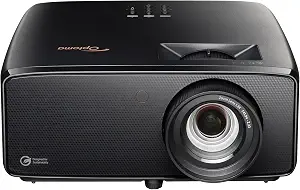
Optoma UHZ36 4K UHD Laser HDR Home Theater Projector – Black
Optoma UHZ36 4K UHD Laser HDR Home Theater Projector – Black (ASIN B0GGVZW2X2)
Best Overall is an editorial fit for shoppers who want a clearly specified 4K home-theater option and value a laser light source. The listed native resolution is 3840 x 2160, and the display type is DLP. Its stated brightness is 3500 lm, while the light source operating life is listed as 30000 hours. These details make it a candidate to consider when resolution, brightness and light-source information are central to your shortlist. They do not, by themselves, determine how any particular picture will look in a given room.
Think about the viewing plan before treating its stated image range as a promise about your setup. The listed minimum image size is 28 inches and the maximum is 300 inches. That wide range gives shoppers a stated span to compare with their intended screen plan, but the right choice still depends on the space and placement available. If a compact image is part of the plan, the minimum size is relevant; if you are considering a much larger image, check whether the planned room and arrangement make sense before deciding. The listing’s dimensions are a starting point for that decision, not a substitute for planning the installation.
On a Black Friday shortlist, this model can suit someone who puts a laser light source and the stated image-size range ahead of built-in smart-TV or automatic-screen-adjustment details. The supplied specifications do not list those latter features, so confirm the exact listing if they are important rather than assuming either way. Likewise, the 3500 lm figure should be read in its stated unit; it is not a guarantee for every viewing environment. Compare the complete product configuration shown in the offer with your priorities, and check that it is this model before drawing conclusions from the promotion. Best Overall here means a useful editorial match among these three choices, not a test result or a claim that it is right for every buyer.
Key specs
Native resolution
3840 x 2160
Display type
DLP
Brightness
3500 lm
Light source operating life
30000 hours
Minimum image size
28 inches
Maximum image size
300 inches
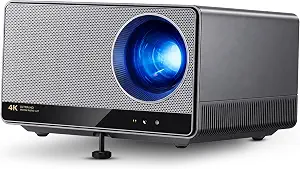
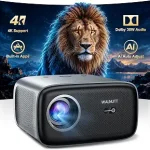
U1 PRO Native 4K UHD Google TV Projector 1700 ANSI Lumens
U1 PRO Native 4K UHD Google TV Projector 1700 ANSI Lumens (ASIN B0HDRX4DSG)
Best Budget is the editorial label for this option, not a statement about its current price or a claim that it is the least expensive offer. Its listed native resolution is 3840 x 2160, and the brightness is 1700 ANSI Lumens. A shopper comparing a Black Friday deal should still check the exact offer and variant rather than assume that the label guarantees a particular price. The clearest reasons to consider this projector are its combination of built-in Google TV and Google Voice Assistant, automatic screen setup features, and two built-in speakers listed at 2×16W.
For a routine that starts with choosing something to watch, the built-in Google TV may be a useful part of the decision, while Google Voice Assistant is also listed. These are specific built-in features; the supplied information does not name individual services or describe what content is available, so check the product details against your own needs. The listed connectivity is 2.4G+5G DualBand Wi-Fi & Bluetooth. Its speakers are specified as 2×16W HiFi Speakers. Those details can help you assess whether the included functions align with your intended setup, but they do not establish how a particular service, network or room will work.
The setup aids are another reason it may fit a shopper looking to simplify image adjustment. The listing specifies auto focus, auto keystone, obstacle avoidance and Automatic Screen Alignment. It also lists a maximum image size of 150 inches and a 30,000 Hours LED Lifespan. These facts offer concrete points to check against the planned space and use; they are not a guarantee that every placement or image will be suitable. During Black Friday, match the offer to the exact product and verify the details that matter to your routine. Best Budget is an editorial choice among the products in this guide, not evidence of a discount, measured value or market-wide price position.
Key specs
Native resolution
Native Resolution 3840 x 2160
Brightness
1700 ANSI Lumens
Smart TV platform
Built-in Google TV & Google Voice Assistant
Speakers
2×16W HiFi Speakers
Connectivity
2.4G+5G DualBand Wi-Fi & Bluetooth
Screen setup
Auto focus, Auto keystone, Obstacle avoidance, Automatic Screen Alignment
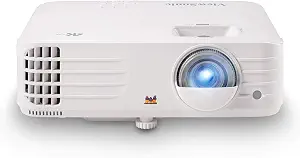
Best for high-refresh-rate priority is the editorial label for this model because its supplied specifications include a 240Hz refresh rate. It also lists 4K (3840x2160p) resolution, 3,200 ANSI lumens and HDR/HLG compatibility. A shopper who places refresh rate near the top of the decision list can use those details to decide whether to investigate this option further. The label does not establish measured superiority, and the listed figures do not predict the result for every source, room or viewing arrangement.
For image positioning, the stated tools are auto-keystone, four-corner adjustment and 1.1x optical zoom. These provide specific adjustment details to compare with the space you have available and the placement you are considering. The maximum listed screen size is 150 inches. Treat that figure as a listed limit for comparison, not as a recommended image size for every room. If the planned position requires particular adjustment options, check the exact listing and think through the setup before making a Black Friday purchase. The useful question is whether the named tools suit your intended arrangement, rather than whether a feature list sounds extensive in isolation.
The listed connections are dual HDMI inputs and a powered USB-A port. That information helps shoppers compare the projector with the devices and connection plan they expect to use, but the supplied facts do not identify specific devices or guarantee a particular configuration. HDR/HLG compatibility is another stated point to weigh if it matters to your content choices. As you compare a Black Friday offer, confirm that the product details match this exact model and consider the whole set of priorities: refresh rate, resolution, image adjustments, connections and stated screen size. This option’s label reflects one provided feature that may matter to a particular buyer; it is not a substitute for matching the rest of the specifications to your own plans.
Key specs
Resolution
4K (3840x2160p) resolution
Brightness
3,200 ANSI lumens
Refresh rate
240Hz refresh rate
HDR support
HDR/HLG compatibility
Image adjustment
auto-keystone, four-corner adjustment, and 1.1x optical zoom
Connectivity
dual HDMI inputs and a powered USB-A port
Screen size
screen sizes up to 150 inches
Make the room plan part of the shortlist
Before comparing Black Friday offers, picture where the projected image will sit and what size you are aiming for. The listed image ranges differ: the Optoma specifies a minimum image size of 28 inches and a maximum of 300 inches, while the U1 PRO and ViewSonic each list a maximum image size of 150 inches. Use those source figures as selection details, not as a recommendation that you should choose the largest possible image. The room, available placement and your preferred viewing arrangement still need to guide the decision.
A useful first step is to write down whether your plan calls for a modest image or a larger one, then check the model’s stated range. Next, consider adjustment options. The U1 PRO lists auto focus, auto keystone, obstacle avoidance and Automatic Screen Alignment. The ViewSonic lists auto-keystone, four-corner adjustment and 1.1x optical zoom. The Optoma facts provided here specify its image-size range but do not list comparable adjustment tools. That is not evidence that a feature is absent; it simply means you should verify the exact listing if a particular adjustment matters. Black Friday should not rush this step: a deal only belongs on the shortlist if the stated setup details fit your plan.
Read brightness and light-source details as separate clues
Brightness figures appear in different stated units across these products. The Optoma lists 3500 lm, the U1 PRO lists 1700 ANSI Lumens, and the ViewSonic lists 3,200 ANSI lumens. Preserve those units when comparing the listings instead of treating the numbers as directly interchangeable. The figures are useful facts to review, but they cannot by themselves tell you how the image will appear in your specific space. Avoid turning a specification into a promise about performance under conditions that are not described.
The light-source information is another distinct consideration. The Optoma is listed with a laser light source operating life of 30000 hours, while the U1 PRO lists a 30,000 Hours LED Lifespan. No light-source lifespan is provided for the ViewSonic in the supplied facts, so check its exact product information if that point matters; do not infer an absent feature from this guide. On Black Friday, note the precise units and wording displayed for the offer you are considering. Keep brightness and light-source life as separate questions: one is a stated brightness specification, and the other is a listed operating-life detail for a named light source.
Choose built-in functions around your usual routine
The U1 PRO is the only option here with listed built-in Google TV and Google Voice Assistant, along with 2.4G+5G DualBand Wi-Fi & Bluetooth. Its two speakers are specified as 2×16W HiFi Speakers. These details may matter if you want to weigh built-in platform and audio features as part of the projector choice. The supplied facts do not identify streaming services or describe how the speakers sound, so use the exact listing to check any requirements beyond what is stated.
The ViewSonic’s listed connections are dual HDMI inputs and a powered USB-A port. That makes its connection details a different point of comparison, particularly if you already have a plan for connected equipment. The Optoma specifications supplied here emphasize native resolution, DLP display type, brightness, light-source operating life and image size. They do not list the same smart-platform or connection details; confirm the product listing if you need to know about any additional functions. Black Friday is a useful time to compare the exact configurations, but a banner should not replace checking the actual feature list. Choose based on the functions you will use and the connections your planned arrangement requires.
Decide which image features deserve the most attention
All three products list 4K resolution, with the specific resolution figures given as 3840 x 2160 for the Optoma and U1 PRO, and 3840x2160p for the ViewSonic. From there, the differences in the supplied facts can help narrow the choice. The ViewSonic lists a 240Hz refresh rate and HDR/HLG compatibility. The U1 PRO lists Google TV, automatic screen adjustment features and built-in speakers. The Optoma lists a DLP display type, a laser light source and its stated image-size range. None of these details alone establishes which picture will suit every viewer.
Make a short priority order before opening a Black Friday offer: for example, decide whether refresh rate, smart features, stated image size or light-source information should lead. Then compare only relevant details while keeping each specification in its original wording and unit. If HDR/HLG compatibility or a specific adjustment feature matters, check that it is listed for the exact option you are considering. If resolution is your main filter, all three have a 4K resolution fact provided here, so other stated distinctions may help with the remaining choice. This approach keeps a feature list from turning into a vague claim that one projector is universally better.
Check the exact offer before you commit
A Black Friday headline does not establish that a promotion is active, that a particular configuration is included or that an offer is the right match. Open the exact product listing and make sure its name and details align with the model you shortlisted. Then review the features that drove your choice: resolution, brightness wording, image-size limits, setup aids, connections, smart functions or light-source information. Product variants and offer details can matter, so do not assume that a general category page answers every question about the specific item.
It can help to keep a simple checklist beside the listings. Note your planned screen size, the features you consider essential and any questions that need confirmation. For the ViewSonic, that may include the stated 240Hz refresh rate and its HDMI and USB-A connections; for the U1 PRO, it may include built-in Google TV and automatic screen setup; for the Optoma, it may include its laser light source and stated image-size range. Compare the exact offer against that checklist without relying on an unverified discount claim. If an important detail is not in the facts available here, look for confirmation on the listing rather than guessing.
Make your Black Friday choice
The most useful 4K projector choice is the one whose stated features fit your room and viewing priorities, not simply the one with the most prominent Black Friday message. Consider the Optoma for its listed laser light source and image-size range, the U1 PRO for its built-in Google TV and automatic adjustment features, or the ViewSonic if its stated 240Hz refresh rate is a priority. These are editorial matches based on the supplied specifications, not test results or guarantees. Before deciding, verify the exact product configuration and offer details, then check that the specifications you care about appear on that listing. A deliberate comparison can make Black Friday shopping more focused without assuming a promotion or overlooking the setup.