Best Laptop Students Buying Guide — Black Friday Deals 2026
Choosing a laptop for a student starts with the work it needs to support, not the Black Friday banner beside it. These options range from two Chrome OS laptops with compact memory and storage configurations to a Windows-model IdeaPad with a larger touchscreen, more listed memory and SSD storage. Those differences shape which questions deserve attention: required software, screen format, file habits and the exact configuration in the offer. Black Friday can be a useful moment to compare candidates, but a promotion is not a reason to overlook a mismatch. Use this guide to connect each model’s listed features to a student’s routine, then check that the specific product and variant being considered are the intended ones.
HP 14″ HD Chromebook Laptop for Students (ASIN B0C8171GTK)
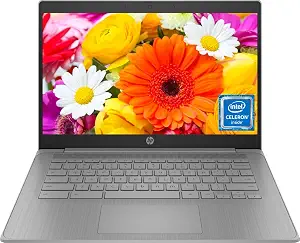
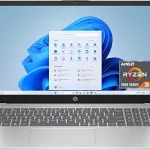
Best Budget is the editorial label for the HP 14-inch HD Chromebook Laptop for Students. Its listed configuration is uncomplicated: an Intel Celeron N4120 processor with 4 cores and threads, 4GB RAM, 64GB eMMC, and Chrome OS. The screen is 14 inches with a resolution of 1366 x 768 pixels, and wireless is listed as 802.11ac. For shoppers who want to begin with a Chrome OS laptop and a clearly stated set of core specifications, those details make it easier to compare against the student’s actual needs. The label describes this guide’s role for the model; it does not establish a market-wide price position or a tested result. At Black Friday, verify the exact configuration before judging whether an offer fits a budget.
A student who mainly needs a laptop for routine coursework can use the specifications as a checklist rather than treating the product name as proof of suitability. Ask whether Chrome OS meets the school’s software requirements, whether 4GB RAM and 64GB eMMC fit the student’s expected workload and file habits, and whether the screen’s stated resolution is acceptable for the way they study. The display is 14 inches, but the resolution is 1366 x 768 pixels, so shoppers comparing it with another screen should note both facts instead of relying on size alone. These are practical questions to resolve before purchase, not claims about how quickly the laptop will run a particular task.
This model is the most restrained specification set among the three listed products, which makes careful expectation-setting especially important. Its Intel Celeron N4120 and 4GB RAM are stated facts, but they do not by themselves establish how a particular collection of school applications will behave. Check requirements directly, especially if coursework calls for software that may depend on a particular operating system. Also consider whether the student expects to keep many files locally, given the stated 64GB eMMC storage. Black Friday may make several offers appear side by side, so compare the exact HP model and configuration rather than a general product name. If its Chrome OS setup, display resolution and listed capacity match the student’s plans, it can remain a sensible candidate for a budget-conscious shortlist.
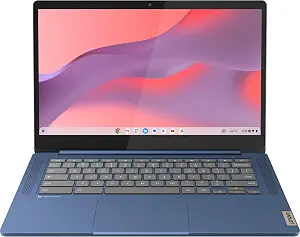
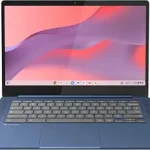
Best Overall is the editorial choice here for a student who wants a Chromebook with a touchscreen and a fuller display specification than the other Chromebook in this guide. The Lenovo Flagship Chromebook has a 14-inch Full HD touchscreen, 4GB RAM and 64GB eMMC, and runs Google Chrome OS. That combination gives shoppers concrete points to compare with coursework needs: the screen format, the operating system and the stated memory and storage. The Best Overall label is a guide to this selection, not a claim that it has been tested or is right for every student. On Black Friday, first confirm the listing is for this Chromebook and the stated configuration before weighing the offer.
The processor is a MediaTek Kompanio 520: an octa-core processor with 4x A73 @2.0GHz + 4x A53 @2.0GHz. It also lists Wi-Fi 6, 11ax 2×2 + Bluetooth 5.1 combo and a battery life of 13.5 hours. Those details can help a student compare the model with a school’s requirements and with the routines they expect from a laptop. For example, someone who regularly studies away from a desk may want to consider the listed battery-life figure alongside their schedule, while a student choosing a display may find the Full HD touchscreen format especially relevant. The figure is a listed specification, not a guarantee for every use pattern.
Before buying, check whether Chrome OS suits the student’s required applications and how they plan to handle coursework files. The 64GB eMMC capacity and 4GB RAM are important constraints to consider against those needs; don’t assume a particular course tool or storage workflow will suit this configuration without checking. The touchscreen may be useful to a student who prefers touch interaction, but it should be one part of the decision rather than a substitute for checking software requirements. During Black Friday, compare the exact item and configuration shown in the offer with the one intended for purchase. If its operating system, display and listed capacity align with the student’s plans, this is a straightforward Chromebook candidate to keep on the shortlist.
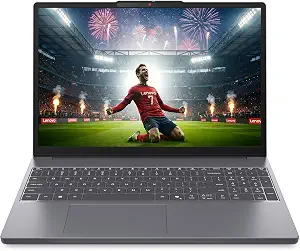
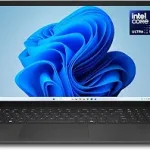
Best for a larger touchscreen workspace is the distinct label for the Lenovo IdeaPad Slim 3i. Its 15.3-inch WUXGA touchscreen display gives shoppers a different screen format from the 14-inch Chromebook options, while the listed configuration includes an Intel Core Ultra 5 Processor 322, 16GB RAM and 1TB SSD storage. It also specifies a 120Hz refresh rate and a 60 watt-hour battery capacity. These are useful comparison points for a student who wants a larger touch display and more listed memory and storage than the Chromebook configurations in this guide. The label reflects those provided features, not a measured advantage or a promise that the model is best for every student. During Black Friday, verify that the offer is for this exact IdeaPad configuration.
The IdeaPad’s listed specifications make it particularly important to start with software and course requirements rather than assuming that a larger specification set is automatically necessary. Ask what applications the student needs, whether the display format suits their study setup, and how much local storage they expect to use. The 1TB SSD storage and 16GB RAM are concrete details to compare with those needs; they do not guarantee a particular outcome for a given program. A student who values touch interaction may also want to decide whether the 15.3-inch WUXGA touchscreen fits their everyday workspace. The listed 120Hz refresh rate is another differentiating screen specification, but its importance depends on what the student wants from a display.
This is the Windows-model option among the products presented, so confirm the operating system and software details on the product listing before buying; the supplied specifications do not identify its operating system. That check matters if coursework names required applications or a particular platform. The 60 watt-hour battery capacity is a capacity specification, not a stated battery-life estimate, so don’t compare it directly with the Chromebook’s listed hours of battery life. On Black Friday, keep the comparison focused on the exact model, its stated screen, memory and storage, and the terms shown for the specific offer. If a student prefers the larger touchscreen workspace and has verified the software fit, the IdeaPad offers a clearly differentiated set of listed features.
Key specs
Processor
Intel Core™ Ultra 5 Processor 322
Display
15.3″ WUXGA Touchscreen Display
Memory
16GB RAM
Storage
1TB SSD Storage
Refresh rate
120Hz Refresh Rate
Battery capacity
60 watt-hours
Begin with course requirements, not the sale badge
Before comparing Black Friday offers, find out what the student’s classes require. A school may specify applications or an operating system, and the product facts here do not confirm compatibility with any particular course tool. The two Chromebook listings name Chrome OS; the IdeaPad’s supplied specifications do not state an operating system. Treat that difference as a reason to verify the listing and the school’s guidance, not to guess. If a course depends on specific software, resolve that question before considering screen size or a promotional message.
Next, match the intended workload to the configurations. The HP Chromebook and Lenovo Flagship Chromebook each list 4GB RAM and 64GB eMMC. The IdeaPad lists 16GB RAM and 1TB SSD storage. These figures distinguish the candidates, but they cannot predict performance for a student’s particular mix of applications. Think through how the laptop will be used: which programs are required, whether files will be kept locally, and whether the student expects to do work that places different demands on the computer. When unsure, consult course or school requirements instead of treating a larger number as an automatic answer.
Write down the student’s essential requirements before opening sale pages. Then use those requirements to rule out unsuitable operating systems or configurations. This keeps Black Friday comparisons focused on options that can actually meet the need, rather than on whichever offer is most prominently presented.
Choose the screen that fits the study routine
Screen size and screen detail are related but separate decisions. The HP has a 14-inch display with 1366 x 768 pixels. The Lenovo Flagship Chromebook lists a 14-inch Full HD touchscreen. The IdeaPad has a 15.3-inch WUXGA touchscreen and a 120Hz refresh rate. Compare the exact specifications instead of assuming that two screens of similar size have the same resolution or interaction method. A student who prefers touch should note which models explicitly list a touchscreen; the HP facts supplied here do not specify one.
Consider where schoolwork usually happens. A larger screen may be appealing to someone who wants more room in their study setup, while a student who prioritizes a particular display format may have different preferences. These are personal fit questions, not claims that one screen is universally better. Think about reading, writing and viewing class material, then decide which listed size, resolution and touch capability matter. If the student is choosing between the two 14-inch Chromebooks, compare their screen specifications rather than relying on the shared diagonal measurement.
Black Friday listings can make it tempting to focus on the product image or headline. Check the specifications for the exact offer and confirm that they match the screen the student expects. A screen preference should guide the shortlist, but it should not override the software requirements or the rest of the configuration.
Set expectations for local files and memory
Storage and memory deserve separate attention when planning for coursework. Both Chromebook configurations list 4GB RAM and 64GB eMMC. The IdeaPad lists 16GB RAM and 1TB SSD storage. Those specifications provide a factual basis for comparing the three choices, but they do not say how much space a student’s files will occupy or how any particular application will run. Estimate what the student expects to keep on the laptop and check whether the course has its own storage guidance.
A student who works with many local documents or other files should look closely at the stated storage capacity and decide whether it suits their habits. Someone whose school provides separate guidance about file handling should follow that guidance. Likewise, memory should be considered alongside required programs, rather than treated as a standalone promise of speed. Do not infer that a product includes a particular expansion option or cloud service from the facts provided; check the full listing or school information if those details matter.
When comparing Black Friday configurations, make sure the memory and storage details belong to the exact product being considered. Similar model names or promotional descriptions are not a substitute for checking the variant. Keeping a short note of required capacity and software needs makes it easier to compare offers without being distracted by unrelated specifications.
Read wireless and power details in their proper context
The wireless specifications differ across the products. The HP lists 802.11ac. The Lenovo Flagship Chromebook lists Wi-Fi 6, 11ax 2×2 + Bluetooth 5.1 combo. The IdeaPad’s supplied facts do not state a wireless specification, so check its listing if connectivity details are important. Consider the student’s study locations and any school guidance, then confirm that the exact laptop meets the relevant requirements. The available facts do not establish the quality of a particular network connection or the student’s experience in a particular building.
Power information also needs careful interpretation. The Lenovo Flagship Chromebook lists 13.5 hours of battery life. The IdeaPad lists a 60 watt-hour battery capacity, which is a different kind of specification and should not be treated as a battery-life figure. The supplied HP facts do not give a battery-life estimate. If a student needs a particular runtime for their schedule, check the listing and consider how stated figures apply to their expected use; don’t compare capacity and runtime as though they were equivalent.
Black Friday offer pages can emphasize one attractive feature while leaving other questions unresolved. Verify the wireless and power details that matter for the student, and avoid assuming an unspecified feature is either present or absent. A careful check is more useful than extrapolating from a product name.
Compare the exact Black Friday configuration
Treat each Black Friday offer as a specific product and configuration to verify, not as a promise that every version of a model is included. Check the product identity and the listed specifications against the student’s shortlist: operating system, screen, memory, storage and any required connectivity or power details. If an offer page does not make a detail clear, seek clarification before deciding. The product facts in this guide do not establish a sale price, discount, stock status or promotion for any of the laptops.
A practical comparison can be simple. First, eliminate any option that does not meet verified course requirements. Then compare the remaining screens and configurations with the student’s preferences and file habits. Finally, review the exact offer terms shown for the item being considered. This sequence helps avoid choosing solely because a label or headline sounds appealing. It also keeps the editorial distinctions in perspective: Best Overall and Best Budget are labels for this selection, while Best for a larger touchscreen workspace points to a particular feature-based fit.
If two options remain plausible, list what each one offers that matters to the student and what still needs checking. A clear, verified match is more useful than an assumed advantage. Don’t let urgency replace confirming the model and configuration.
Make your Black Friday choice
The best laptop for a student is the one that fits verified coursework requirements and everyday preferences. The Lenovo Flagship Chromebook offers a 14-inch Full HD touchscreen, Chrome OS and stated Wi-Fi 6 and battery-life details; the HP pairs Chrome OS with a 14-inch 1366 x 768 display and a listed 4GB RAM and 64GB eMMC configuration; the IdeaPad stands apart with its larger WUXGA touchscreen and higher listed memory and storage. Check software needs first, then compare the exact configuration and offer. Black Friday can be a useful time to make that comparison, but only the verified product details can show whether a particular option suits the student.